-Long-Transparent.png?width=200&height=47&name=NEOVAULT-Sheild-Neo-(R)-Long-Transparent.png)
BLOG

For safety managers in the transport sector, relying on delayed laboratory results creates severe operational risks. Traditional methods often report findings days after a test, allowing potentially impaired operators to remain behind the wheel. Implementing real time compliance monitoring solves this lag time by shifting from retrospective substance detection to immediate fitness for duty assessments. This proactive approach eliminates manual paperwork, supports global safety requirements, and prevents accidents before they occur.
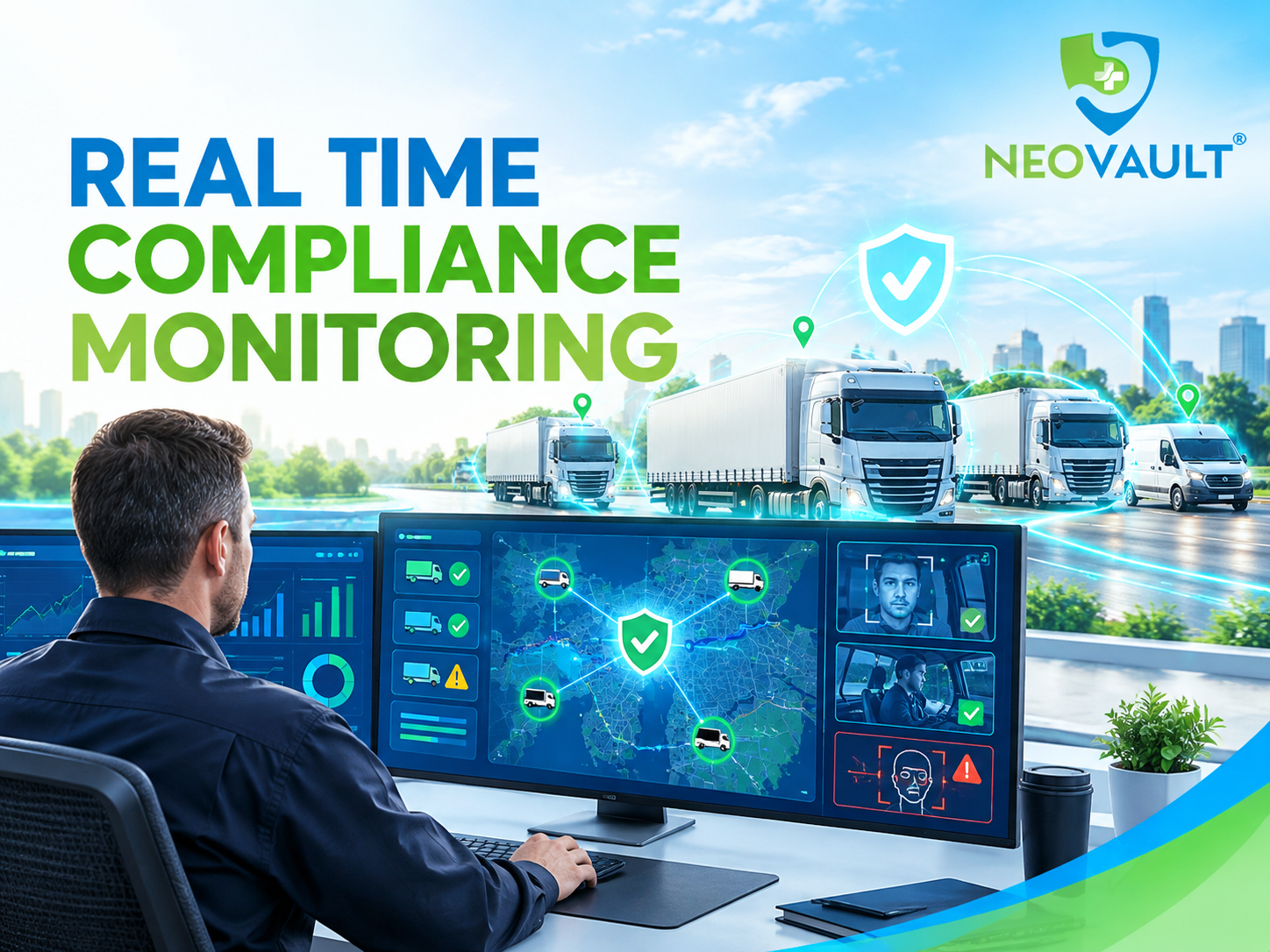
Real time compliance monitoring dashboard for fleet safety
Retrospective drug testing relies on laboratory analysis that takes days to process, creating a dangerous lag time for fleet management. Real time compliance monitoring eliminates this delay by providing immediate, actionable data, allowing safety managers to prevent impaired drivers from operating vehicles and mitigating critical operational risks.
When a driver undergoes a traditional fluid test, the sample must be collected, securely packaged, and processed at an off-site laboratory facility. This conventional workflow typically requires 24 to 72 hours to yield a verified result. During this extended waiting period, HR managers lack the necessary data to make immediate decisions. If a high-risk driver is permitted to continue working, the fleet is actively exposed to severe safety hazards on the road.
Allowing an employee to operate commercial vehicles without immediate confirmation of their fitness for duty creates massive liability for the organization. If an incident occurs during this unverified period, transport companies face several severe consequences:
Implementing an immediate tracking system supports compliance by ensuring that no driver is cleared for duty without verified safety parameters. This proactive defense mechanism protects both the company's operational continuity and public safety on the roads.
To clearly illustrate the operational impact, consider the differences between the two models:
|
Operational feature |
Retrospective drug testing |
Real time compliance monitoring |
|
Result delivery |
24 to 72 hours via external laboratories |
Instant data transmission to cloud dashboards |
|
Risk mitigation |
Reactive (driver may operate vehicle while waiting) |
Proactive (driver is assessed prior to engine ignition) |
|
Data management |
Paper-based chain of custody prone to manual errors |
Encrypted digital records with automated audits |
Cognitive measurement evaluates a driver's current brain function and psychomotor skills, whereas traditional tests only detect past substance use. Incorporating behavioral data is a crucial component of modern compliance because it accurately determines present impairment levels, closing critical safety gaps in transport operations.
Fluid tests are designed to detect chemical metabolites, which can remain in the human body for up to 30 days after initial substance use. In regions across the globe where cannabis is being legalized, this creates a frustrating scenario for fleet operators. A driver might test positive for THC consumed weeks prior, despite being completely sober and cognitively capable during their assigned shift, resulting in unjust workforce penalties.
When local laws permit cannabis use but strict occupational safety policies prohibit any form of impairment, transport companies find themselves navigating a complex compliance gray area. Fleet managers need diagnostic tools that measure current capability rather than historical consumption habits. To make defensible dispatch decisions, organizations require precise, objective data on a worker's immediate condition instead of relying solely on outdated metabolite tracking.
To truly protect the workforce, safety officers must evaluate active impairment levels. A pivotal PubMed study on cannabis administration demonstrates that blood THC concentrations do not consistently align with the severity of psychomotor and cognitive decline over time. Because substance presence does not equal current impairment, fleets must adopt impairment risk management transport technologies to obtain a reliable assessment of a driver's immediate fitness for duty.
A digital compliance ecosystem requires secure field data collection and instant cloud aggregation. To successfully transition from fragmented manual processes to a proactive safety culture, transport companies rely on several foundational pillars. These integrated systems automate audits, prevent fraud, and maintain continuous operational oversight across global depots without increasing administrative burdens.
Manual paperwork is highly susceptible to human error, physical loss, and intentional tampering, making it inadequate for modern fleet management. Digitizing the testing process ensures that every biological sample is securely tracked from the initial point of collection through to the final reporting stage. Transport organizations can eliminate administrative friction and maintain strict regulatory adherence by implementing these crucial safeguards:
Field data is only useful if regional and global management teams can access it immediately to make informed dispatch decisions. Cloud-based safety platforms push test results directly to an administrative dashboard, providing drug and alcohol testing analytics across all operational depots. This level of transparency transforms reactive policies into proactive safety protocols through the following essential features:
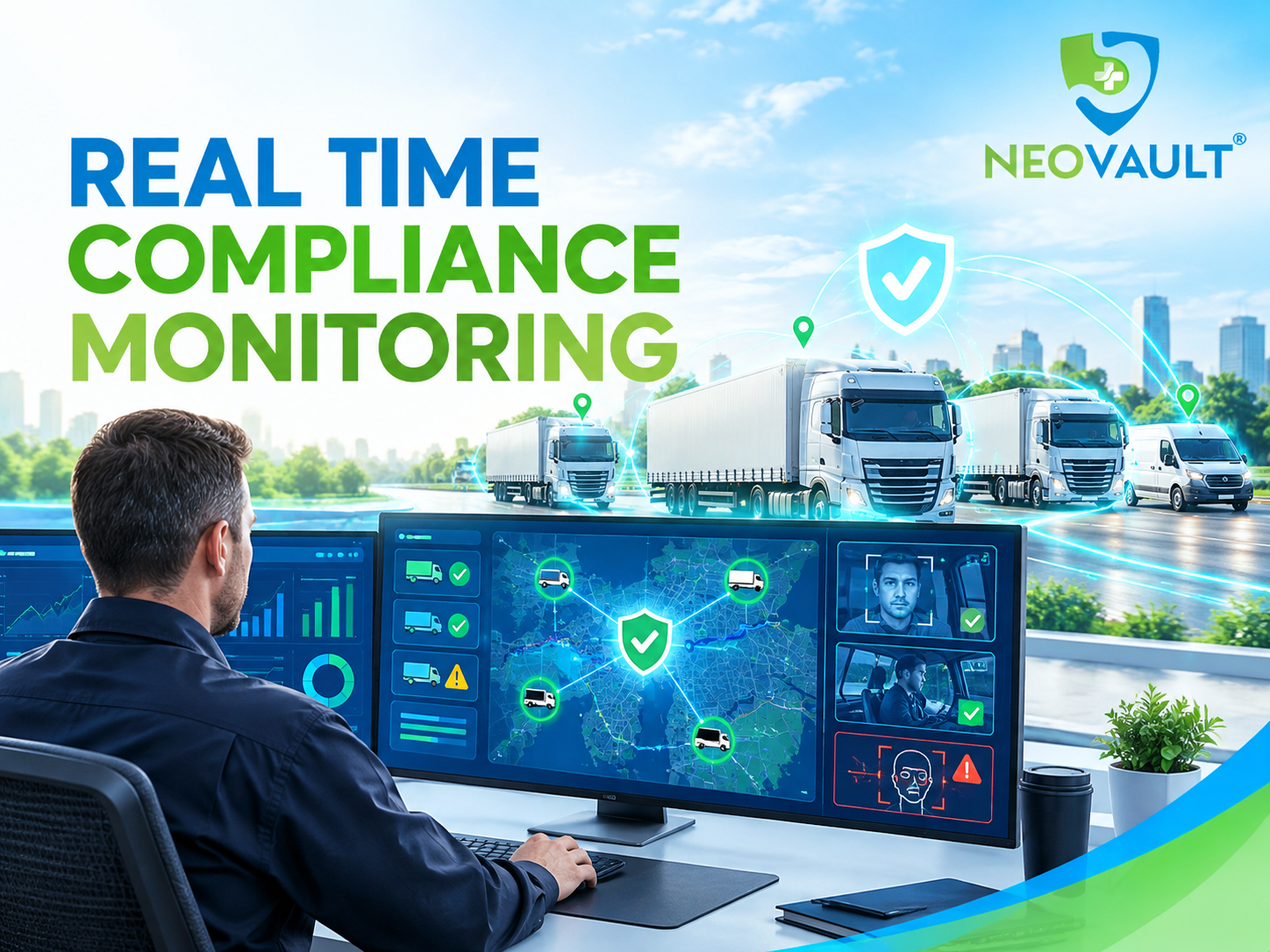
The NEOVAULT platform facilitates immediate compliance tracking by combining traditional fluid testing data with cognitive impairment screening. Engineered to digitize the entire workflow, it delivers fitness for duty monitoring results directly to managers. By adopting this unified approach, fleets can efficiently manage their workforce utilizing the following advanced capabilities:
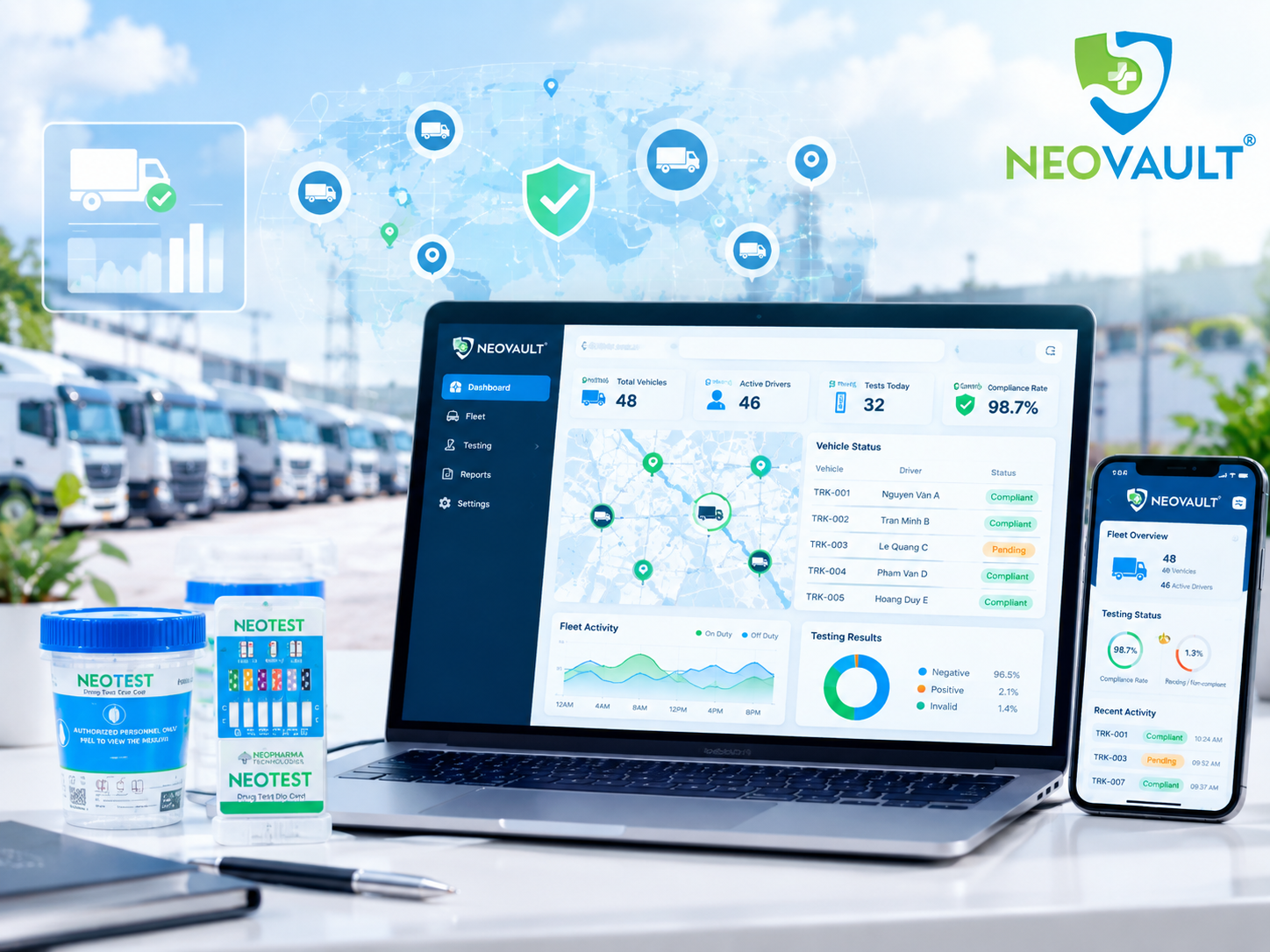
NEOVAULT IRM dashboard displaying real time fleet data
By centralizing these capabilities into a single ecosystem, NEOVAULT eliminates the administrative friction of manual testing. This holistic approach ensures that safety managers always have accurate, objective data to enforce compliance policies globally without delaying daily transport operations.
Implementing new compliance technologies often raises important operational questions. Below are common inquiries from fleet managers regarding how cognitive technology integrates with existing frameworks to enhance workplace safety, address legal complexities, and streamline transport drug testing compliance protocols across global transportation networks.
Standard drug screens are designed to detect the chemical residue of substances consumed in the past, often days or weeks prior to the actual test. In stark contrast, cognitive impairment technology measures current brain function, reaction times, and motor skills. This approach determines if an employee is actively impaired and unfit for duty at the exact moment they are about to operate a vehicle.
No, cognitive screening does not completely replace physical testing; rather, it acts as a proactive first line of defense to identify active impairment immediately. If a worker fails the initial cognitive assessment, safety managers can then safely deploy a traditional physical fluid test to accurately determine the specific chemical cause of the failure, ensuring comprehensive and defensible policy enforcement.
Results are transmitted instantly from the field. As soon as a driver completes a cognitive screen or a digital fluid test via a mobile application, the data is encrypted and pushed directly to the centralized cloud dashboard. This seamless integration allows safety managers to view the exact compliance status in real time, preventing unauthorized dispatch and minimizing administrative delays.
The future of transport safety depends on abandoning reactive paperwork in favor of proactive behavioral data. Implementing real time compliance monitoring equips fleets with the critical tools necessary to intercept risks before vehicles leave the depot. NEOVAULT provides a comprehensive, enterprise-ready platform designed to manage both traditional substance testing and dynamic impairment risk seamlessly. Upgrade your safety protocols and establish a secure, paperless compliance ecosystem by contacting NEOVAULT today to schedule a detailed demonstration.