-Long-Transparent.png?width=200&height=47&name=NEOVAULT-Sheild-Neo-(R)-Long-Transparent.png)
BLOG

Managing safety risks in high-hazard industries requires modern solutions that go far beyond traditional drug and alcohol screens. For HR and safety managers in Australia, implementing a cognitive impairment testing workplace programme is a proactive step toward minimising accidents and strictly aligning with current work health and safety laws. This guide explores the legal framework surrounding digital assessments, the shift toward app-based platforms, and how to effectively integrate accurate testing to ensure your workforce is always fit for duty.
Utilising advanced technology helps evaluate the real-time capabilities of your staff, protecting your employees while optimising operational efficiency across multiple worksites. Below is a detailed breakdown of how to build a transparent and seamless risk management programme.
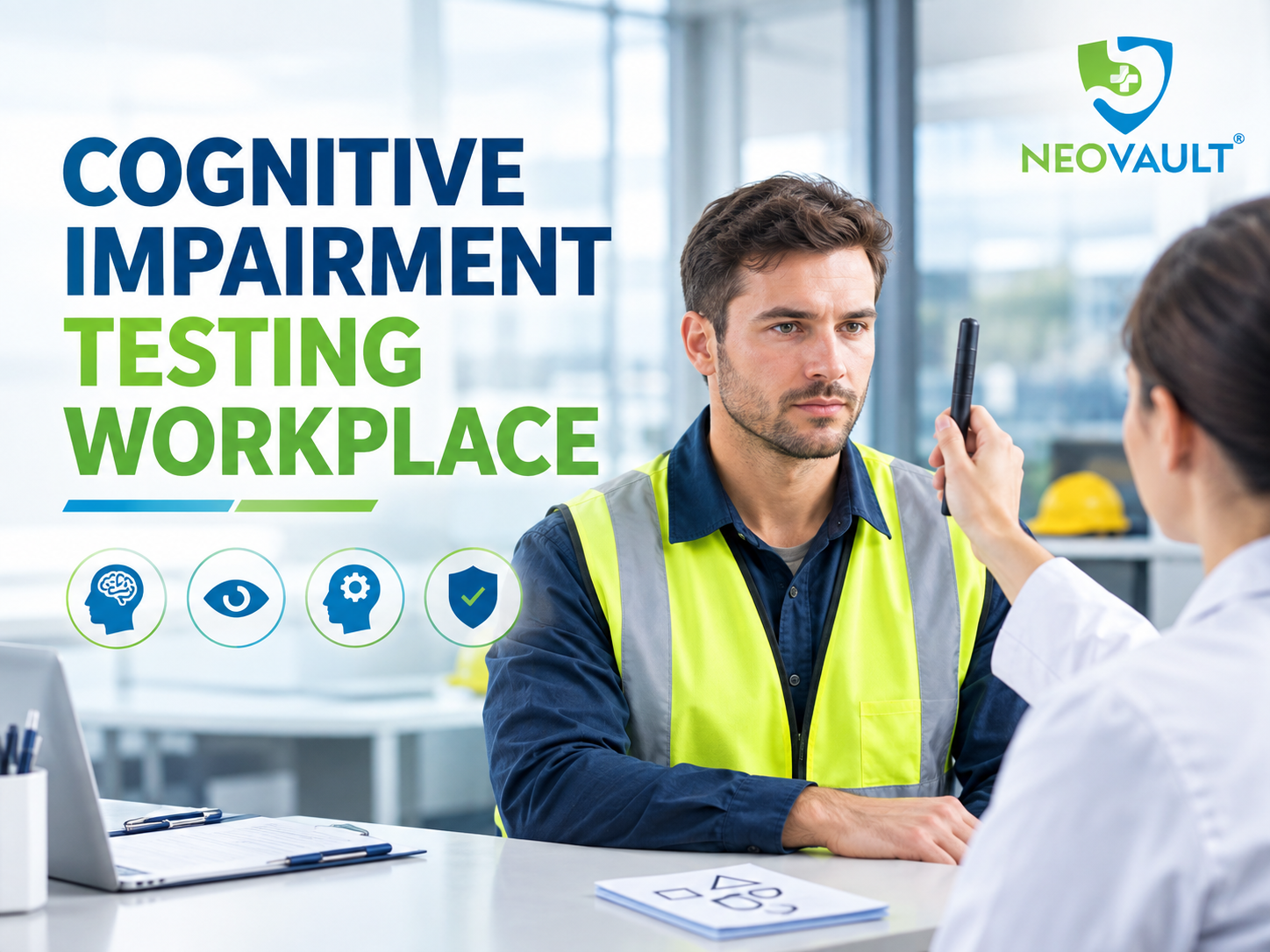
 Cognitive impairment testing workplace in AU
Cognitive impairment testing in the workplace evaluates an employee's current mental alertness and fitness for duty. Rather than solely detecting substances, it measures real-time reaction speed, memory, and executive function to ensure workers can safely perform inherent job requirements without introducing safety risks to the site.
Relying entirely on urine or oral fluid testing reveals critical vulnerabilities for high-risk industries. Traditional methods strictly focus on detecting the presence of chemicals or substances in the body. They cannot measure the actual functional decline of an employee at the exact moment they commence their shift. Conversely, a cognitive impairment assessment at work provides a much broader perspective on safety.
|
Criteria |
Traditional drug screening |
Digital cognitive testing |
|
Measurement goal |
Chemical residue in the body |
Actual decline in cognitive processing |
|
Detection scope |
Drugs and alcohol only |
Fatigue, stress, illness, and substances |
|
Result turnaround |
Requires lab analysis or chemical reactions |
Instant results within 60 seconds |
To accurately determine workforce readiness, a fitness for work assessment focuses on fundamental neurological responses. These indicators directly correlate with an employee's ability to operate heavy machinery or handle emergency situations:
Australian safety managers are adopting app-based impairment testing to digitise safety protocols and receive real-time results. Mobile assessments overcome the limitations of traditional fluid testing by offering immediate insights into fatigue and cognitive decline, enabling proactive risk management and paperless compliance across the organisation.
In mining or construction environments, constantly collecting biological samples causes significant logistical disruptions. It demands private spaces, incurs high costs for consumable supplies, and can feel invasive to the workforce. Using workplace impairment testing apps completely eliminates these barriers. Employees simply interact with a smartphone or tablet screen to complete the test objectively and cleanly, without requiring on-site medical personnel or lengthy disruptions to productivity.
A primary concern for B2B managers is whether a software application can provide reliable data. Real-world evidence confirms that modern platforms use neurological algorithms to measure variables down to the millisecond. For instance, a DRUID application research paper demonstrates that a 1-minute cognitive test delivers accuracy rates comparable to traditional breathalysers. This positions digital testing as a highly credible alternative or addition to standard safety programmes.
Storing and retrieving physical test records consumes hours of administrative time and increases the risk of audit failures. By digitising the workflow, all workforce testing data is automatically encrypted and pushed to a cloud server. This provides multi-site organisations with immediate visibility into compliance rates.
Implementing cognitive testing in Australia requires strict adherence to WHS laws and privacy regulations. Employers must focus assessments on the inherent physical and mental requirements of the role while ensuring all health data is managed confidentially to support fair work practices and prevent discrimination.
To successfully navigate the legal landscape and protect both your organisation and your workforce, safety managers must ensure their programmes address the following critical areas:
To implement an effective impairment testing programme, organisations must define the inherent cognitive requirements of safety-critical roles and establish transparent procedures. Integrating these assessments into daily pre-start workflows helps build a proactive safety culture without disrupting operational productivity or causing employee friction.
Not every position requires daily cognitive evaluation. Successful adoption of digital impairment testing Australia begins with strategic risk profiling:
Technology is only effective when workers understand and cooperate with the system. Companies should conduct toolbox talks to explain that the programme's goal is not punitive, but rather to ensure everyone goes home safely. When transparency is prioritised, staff are far more likely to accept the assessments as a positive daily habit.
NEOVAULT provides a comprehensive safety management platform that digitises your cognitive impairment testing workplace procedures. This ecosystem allows Australian businesses to instantly evaluate workforce readiness, centralise compliance reporting, and proactively manage WHS risks without relying entirely on physical fluid testing.
To effectively address the logistical and compliance challenges associated with managing a large workforce, the NEOVAULT platform offers several purpose-built features for enterprise safety management:
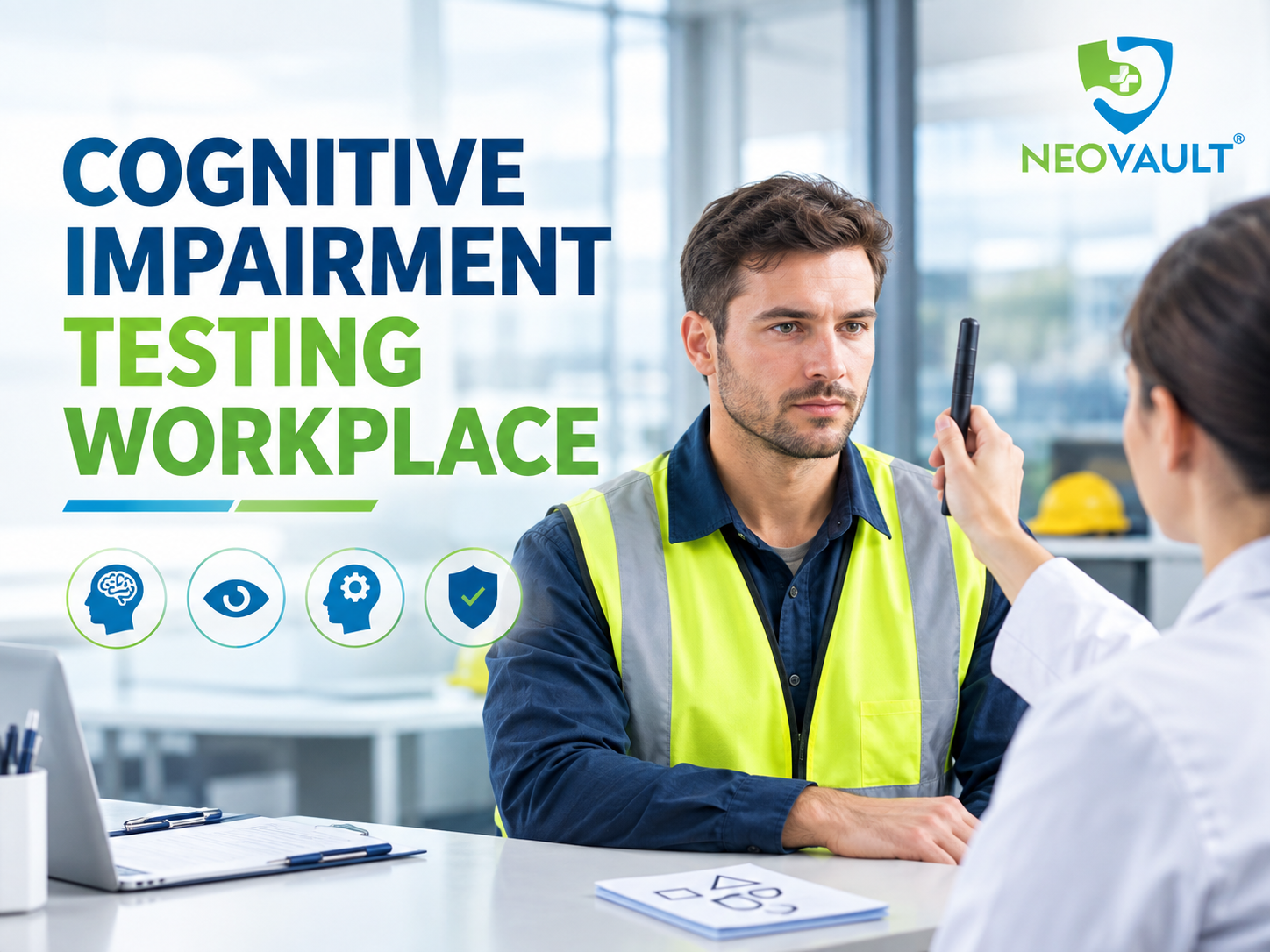
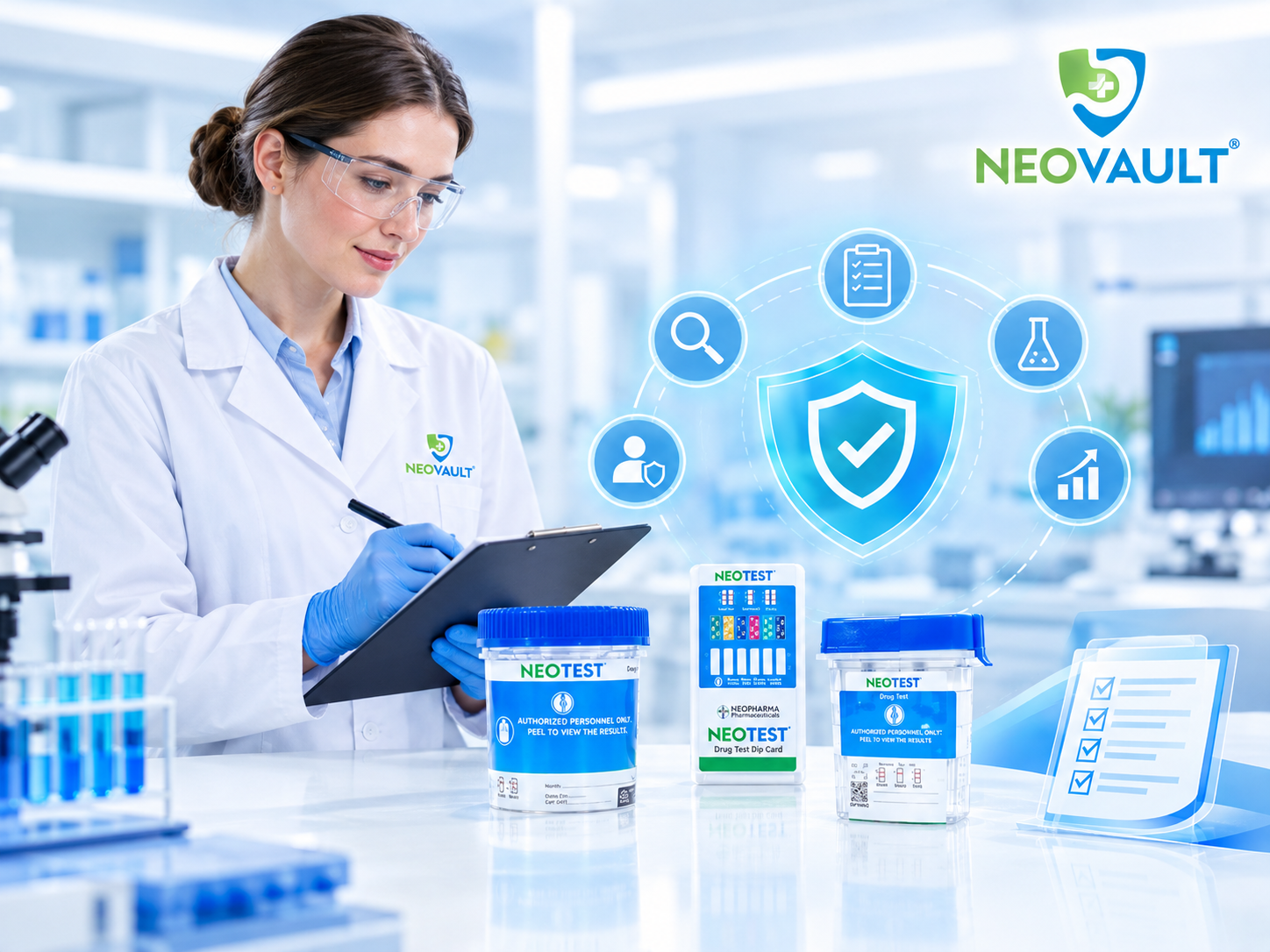 NEOVAULT streamlines cognitive testing programs
Yes, they are highly accurate. Research demonstrates that validated 1-minute app-based tests offer comparable precision to traditional breathalysers. They measure actual functional decline, providing reliable data regardless of whether the impairment is caused by fatigue, illness, or substances.
Yes, cognitive testing is legal in Australia when it directly relates to the inherent requirements of the job. Employers can implement these assessments to fulfil their WHS duties, provided they maintain strict confidentiality and protect employee privacy.
Yes, detecting fatigue is a major advantage of cognitive assessments. Unlike traditional drug screens, these digital tests identify impairment caused by a lack of sleep, stress, or illness by measuring real-time reaction speed and decision-making capabilities.
In conclusion, deploying a cognitive impairment testing workplace programme through digital platforms is setting a new standard for occupational risk management. By combining instant field assessments with transparent reporting systems, Australian enterprises can digitise their safety protocols, protect their workforce, and reduce legal exposure. Discover how NEOVAULT's platform can automate your WHS compliance efficiently by contacting us today.