BLOG
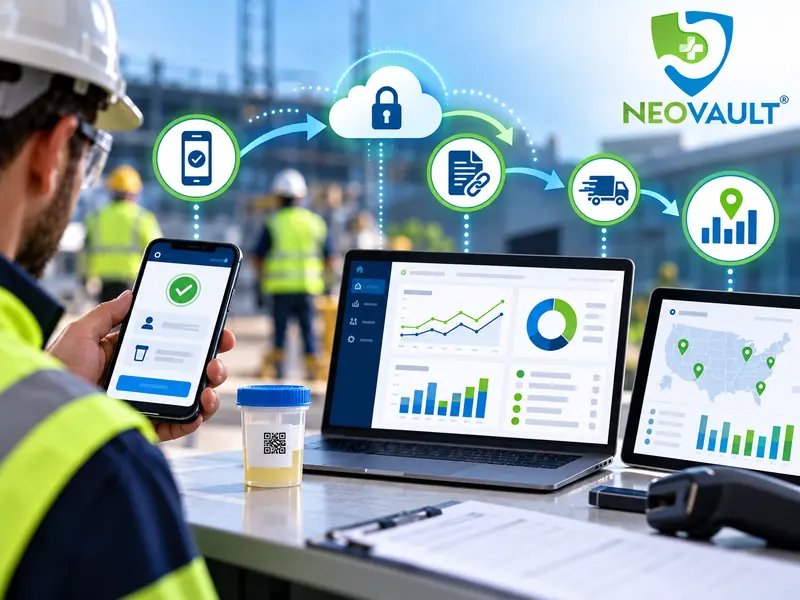

Connected diagnostics bring test collection, results, review and reporting into one traceable workflow. For HR, safety and occupational health teams, this reduces disconnected records and improves oversight of workplace drug, alcohol and impairment screening. Neopharma Technologies Limited develops NEOVAULT to connect point-of-care testing with digital chain of custody, review and multi-site reporting. This article explains how connected workplace testing works, which NEOVAULT features support it and what employers should assess before using digital diagnostic workflows across locations and testing providers.
Connected diagnostics bring testing information into a traceable process instead of leaving results in separate devices, forms and spreadsheets. In workplace programmes, digital diagnostic workflows connect collection details with review, follow-up and reporting. This improves access to relevant records while keeping clinical diagnosis distinct from operational screening.
A standalone result may lack collection details and follow-up history. Connected records preserve that context. For example, a photograph sent by email might omit the collector, location or review status. Structured records let a manager check these details without asking staff to reconstruct the event after a shift. The WHO digital health strategy (2020-2027) calls for digital health initiatives to integrate organisational, human and technological resources.
Safety managers oversee multiple shifts, testing providers and sites. Connected records make three tasks easier:
Neopharma Technologies Limited is an Australian digital health technology company developing NEOVAULT for workplace drug, alcohol and impairment screening. Its focus is to connect point-of-care collection with digital records, management visibility and fit-for-duty workflows. The company does not position NEOVAULT as a general-purpose laboratory diagnostic system.
Neopharma connects test capture with chain of custody and reporting. The Neopharma Technologies company profile explains its workplace focus. Employers gain consistent records across collectors and sites, while designated reviewers can follow testing events through documented outcomes.
NEOVAULT connects field activity with management review through related digital workflows:
Site policy and trained reviewers remain responsible for decisions.
Connected diagnostic workflows follow a defined sequence: initiate the test, capture identifiers and results, preserve the handling record, review any exceptions and report the outcome to authorised users. Each handover needs enough detail to make the record understandable later. Electronic workflows can reduce duplicate transcription, but human oversight remains essential.
Collectors use approved procedures to capture the information needed for later review:
A digital chain of custody records handling and timestamps for later review:
The CLSI point-of-care testing guidance covers specimen-based testing outside laboratories, including nonclinical settings. It excludes breath analysers and does not certify NEOVAULT or govern workplace employment decisions.
Authorised managers can review records across locations through a shared reporting view:
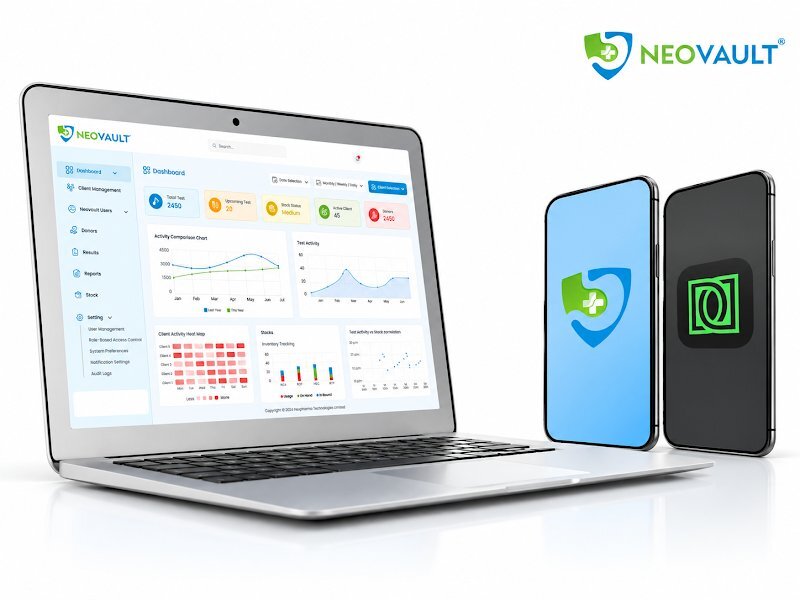
Illustrative workflow; dashboard figures are not real results
NEOVAULT combines mobile collection, drug and alcohol testing, impairment risk management and reporting in one workplace platform. These functions connect field activity with oversight, which can be useful where multiple teams share responsibility for testing. Each component addresses a particular handover in the process rather than replacing organisational judgement.
A NEOVAULT walkthrough can help teams see how these modules connect within their own testing programme.
A global rollout needs consistent core processes alongside rules that reflect each operating location. Privacy, authorised access, testing methods and record retention may vary by jurisdiction and contract. Technology can support those requirements, but employers must confirm their own obligations before applying one policy to every workforce.
Workplace testing records are sensitive. Before rollout, define access, retention and review responsibilities:
Testing requirements vary by country and industry. Local teams should document:
The ILO occupational safety management guidance supports risk controls within established management systems, not a substitute for local law.
Pilot the workflow at one site before expanding across locations. Check:
Evaluate connected diagnostics against real operating problems, not a list of software functions. Map where records are lost, reviews stall or site reports disagree. Then test whether a platform supports collection, traceability, access controls and reporting within your policies, staffing arrangements and existing systems.
The NEOVAULT connected workplace testing platform provides a practical starting point for reviewing these requirements.
Workplace leaders usually want to know whether connected testing changes the tests themselves, who can see the information and how screening informs decisions. The short answers below distinguish software capabilities from clinical judgement and employer obligations. They also clarify how NEOVAULT supports field teams and organisations operating across several locations.
Connected diagnostics means linking a workplace test to its collection details, chain of custody, review status and reporting record. The result remains subject to the relevant testing procedure. The connection helps authorised teams find information and understand what happened without rebuilding the record manually.
NEOVAULT uses mobile collection and a central platform to connect drug, alcohol and impairment screening activity with records and reporting. The myNEO app supports field capture, while modules organise testing and oversight. Actual configurations should be checked against the organisation's operating requirements.
Yes, connected records can give reviewers relevant screening information and a clearer history of the event. NEOVAULT's IRM module adds cognitive and psychomotor screening through DRUID. Employers still need an appropriate policy, competent review and any required confirmatory procedures before making decisions.
Yes. NEOVAULT provides central reporting and visibility across sites, helping managers review activity without gathering separate spreadsheets. Organisations should confirm site permissions, local procedures, connectivity and retention settings during implementation. A multi-site dashboard does not remove the need for accountable people at each location.
Connected diagnostics help employers keep workplace testing records complete and traceable from collection through review and reporting. Digital workflows make it easier to identify outstanding actions, share information with authorised teams and compare activity across sites. Effective programmes still depend on appropriate testing procedures, clear access rules and people accountable for decisions. NEOVAULT supports these needs through mobile collection, digital chain of custody, impairment screening and reporting. Teams can review those functions against their workplace processes during a product walkthrough.