-Long-Transparent.png?width=200&height=47&name=NEOVAULT-Sheild-Neo-(R)-Long-Transparent.png)
BLOG
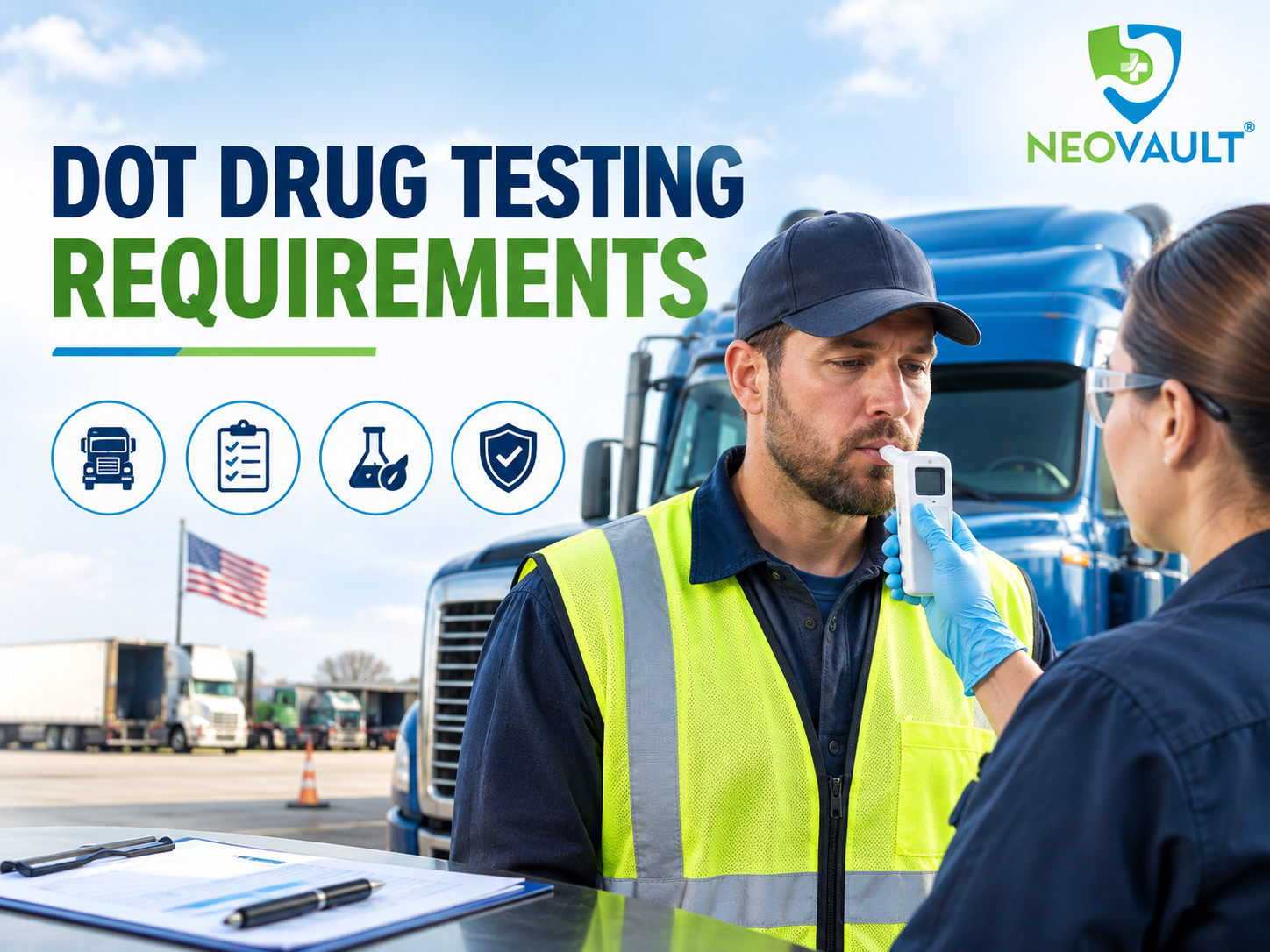

Failing to meet federal compliance can result in severe penalties for US transport companies. The dot drug testing requirements are mandatory rules designed to maintain a drug-free transportation industry. This comprehensive guide is tailored for Safety Managers, HR Managers, and EHS teams. We cover everything you need to know about dot drug test rules, including how 49 CFR Part 40 dictates the dot 5-panel drug test for dot safety-sensitive employees, helping you completely digitize your program and remain audit-ready in 2026.
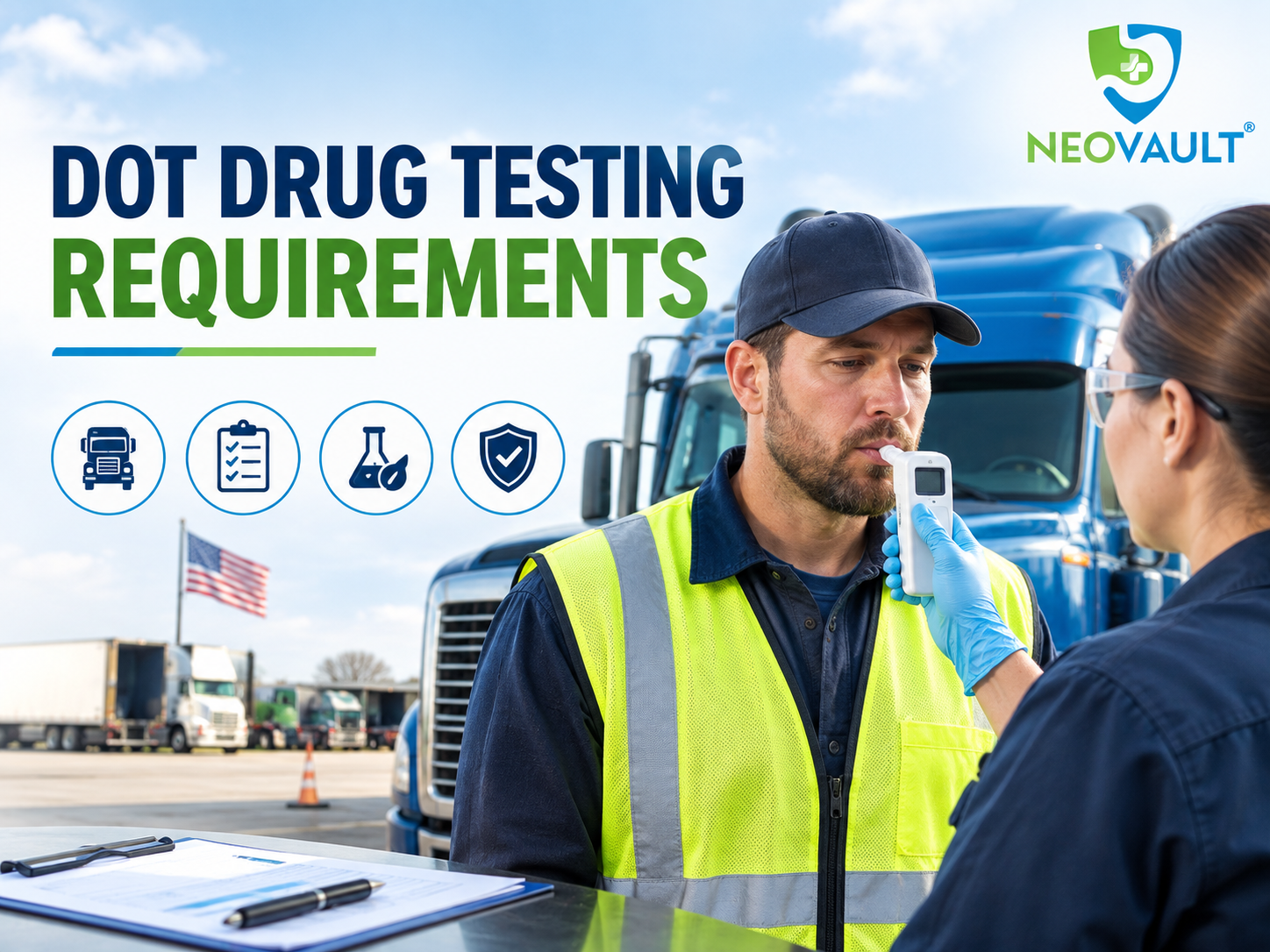
DOT drug testing requirements for US transport
The DOT drug testing requirements under 49 CFR Part 40 form the foundational federal mandate that regulates drug and alcohol testing for safety-sensitive transportation employees. This regulation dictates exactly how tests are conducted, what specific substances are screened, and how employers must maintain a compliant testing program.
The Department of Transportation relies on 49 CFR Part 40 to ensure uniformity, fairness, and accuracy across all transportation modes. These federal rules are designed to protect public safety while providing a standardized procedure for employers. Navigating these federal mandates is crucial, as they often overlap with broader state regulations. For a deeper understanding of how federal rules interact with state-level legislation, read our guide on workplace drug testing laws USA.
A safety-sensitive employee performs job functions that directly impact public safety. The DOT categorizes these critical workers under various administrative agencies with industry-specific regulations. Here are the typical roles governed by these strict federal regulations:
Employers must conduct drug and alcohol testing in five mandatory situations: pre-employment, random, reasonable suspicion, post-accident, and return-to-duty. Following these specific triggers ensures that safety-sensitive employees are continuously monitored for impairment, minimizing workplace accidents and protecting public safety at all times.
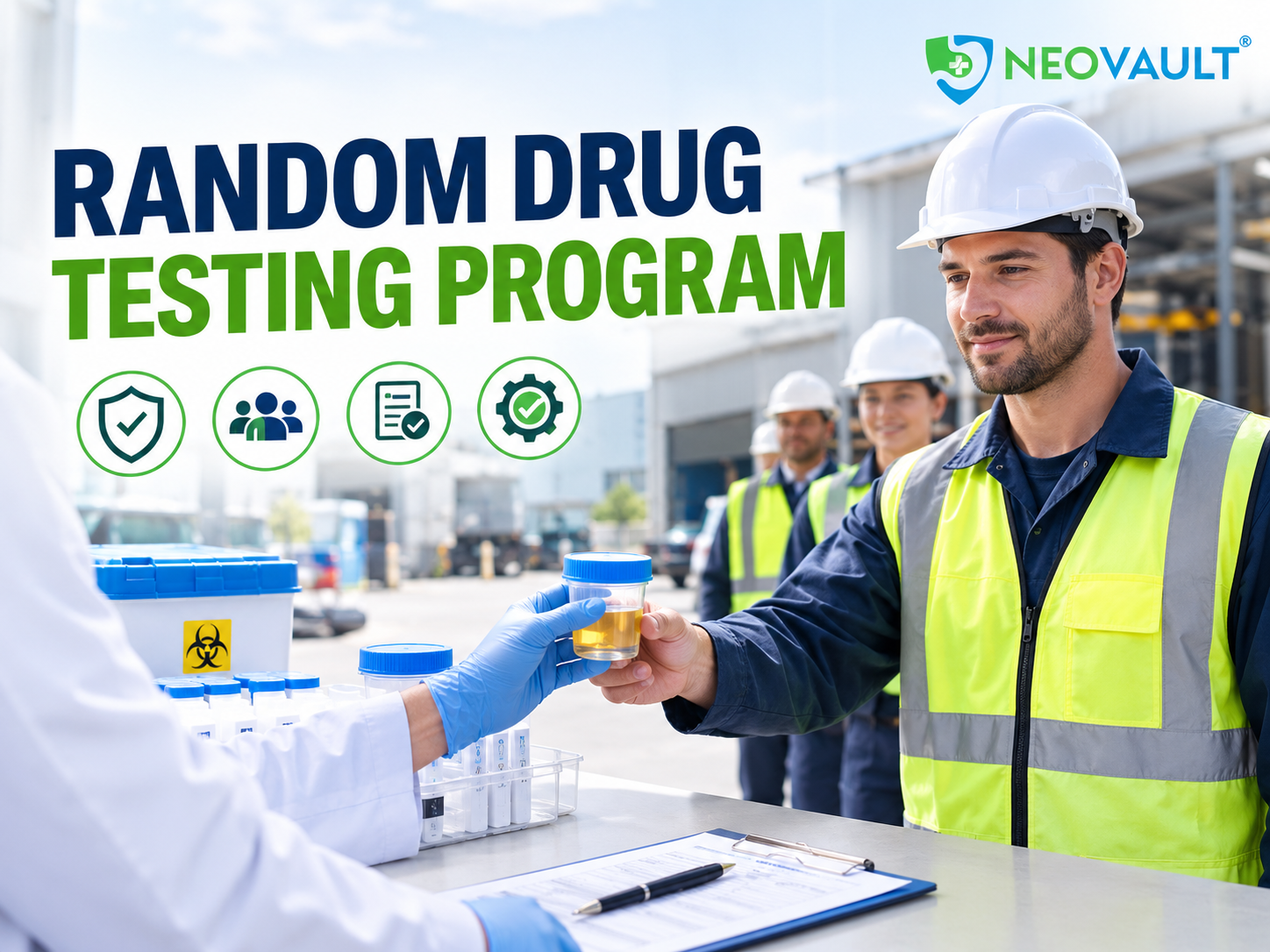
Applicants must receive a verified negative pre-employment drug test result before performing safety-sensitive functions. Once employed, these workers face unannounced random testing. To maintain compliance without errors, transport employers must strictly manage these core requirements:
Post-accident testing is mandatory following severe commercial motor vehicle collisions. Additionally, reasonable suspicion testing is legally required when trained supervisors observe articulable indicators of impairment. Common behavioral triggers for ordering this specific test include:
Employees who test positive or refuse testing are immediately removed from all safety-sensitive duties. The path to reinstatement is incredibly strict and heavily monitored by federal authorities. The mandatory return-to-duty process directly involves:
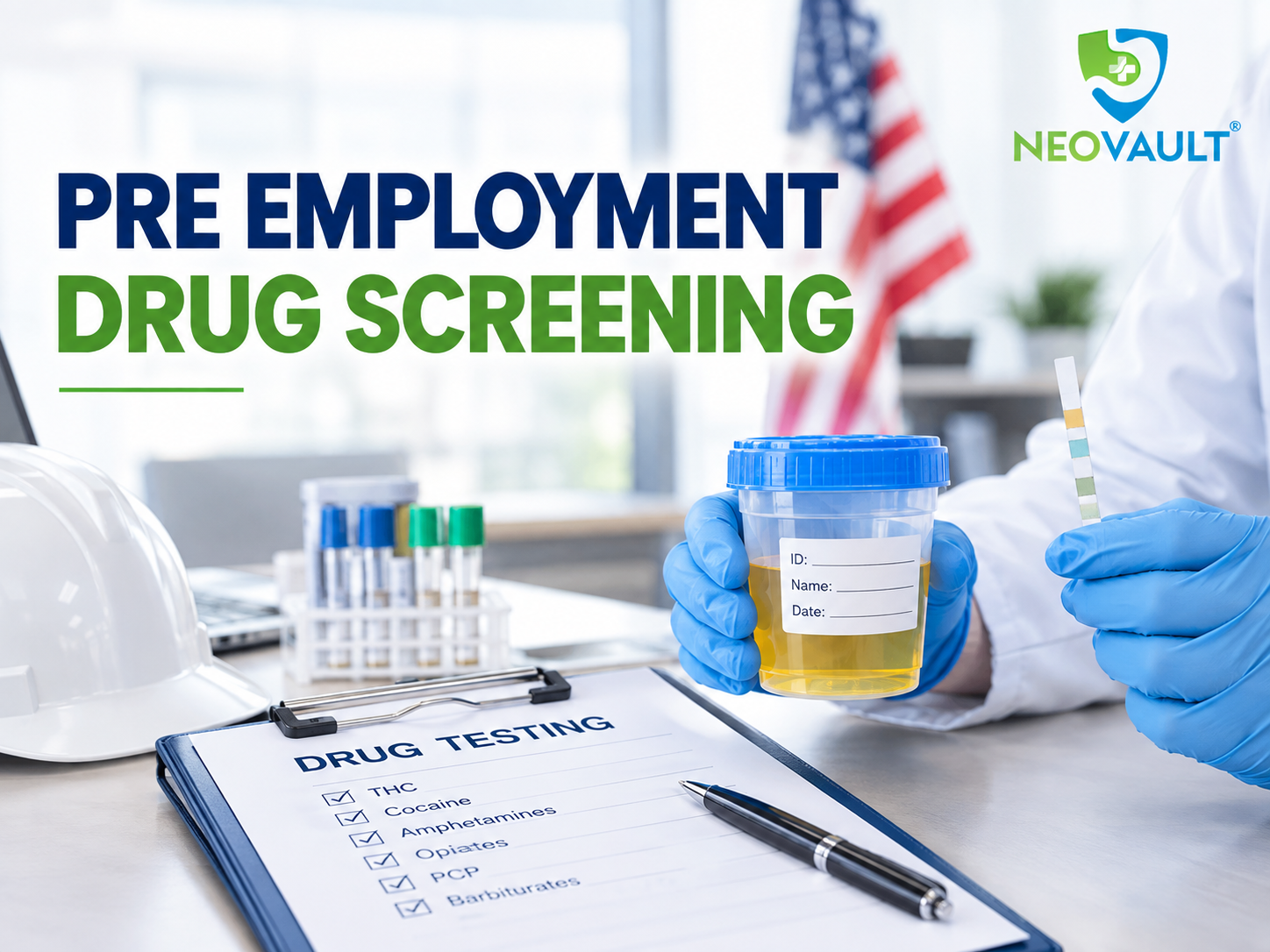
The DOT 5-panel drug test strictly screens for five categories of illicit substances: Marijuana (THC), Cocaine, Opioids, Amphetamines, and Phencyclidine (PCP). The DOT maintains a firm zero-tolerance policy for these substances to prevent severe cognitive impairment among safety-sensitive transport workers.
The federal government requires rigorous screening for specific drugs that severely alter physical coordination and mental capabilities. Employers must utilize the standard 5-panel test exactly as mandated. This standardized federal test specifically targets these substances:
A common and dangerous misconception among transport workers is that using legal CBD products or medical marijuana is acceptable under federal law. However, the DOT strictly prohibits medical marijuana and strongly warns against the use of CBD products. Unregulated CBD oils and gummies often contain trace amounts of THC, which can trigger a positive drug test and pose significant cognitive risks to the driver and the public.
A comprehensive clinical study on the effects of cannabidiol on cognitive performance highlights the severe impairment risks associated with cannabis consumption. This scientific evidence strongly validates the DOT's strict risk management stance on safety-sensitive tasks. The federal government recognizes that any level of cognitive impairment behind the wheel of a heavy truck or in an aircraft cockpit is unacceptable, proving that zero tolerance is the only viable policy.
DOT testing procedures require a highly secure chain of custody from specimen collection to the final medical review. Samples must be analyzed by HHS-certified laboratories, and all test results are independently verified by a Medical Review Officer (MRO) to ensure absolute medical legitimacy.
The specimen collection process is heavily regulated to prevent any form of tampering or adulteration. While urine testing remains the primary standard, oral fluid testing is now conditionally permitted. Employers must adhere to these critical laboratory rules:
The Medical Review Officer (MRO) acts as an independent, impartial gatekeeper. As a licensed physician specializing in substance abuse disorders, the MRO must thoroughly verify any positive findings before notifying the employer. The MRO's core responsibilities include:
Managing DOT compliance manually often leads to missing paperwork, administrative errors, and costly audit failures. By digitizing your drug testing program with software like NEOVAULT, employers can automate random selections, secure digital chains of custody, and generate real-time audit reports seamlessly.
Cumbersome paper forms are easily lost or filled out incorrectly, often leading to DOT violations. The NEOVAULT platform replaces these outdated methods. By utilizing the myNEO mobile app, field supervisors and collection sites can completely modernize their procedures:
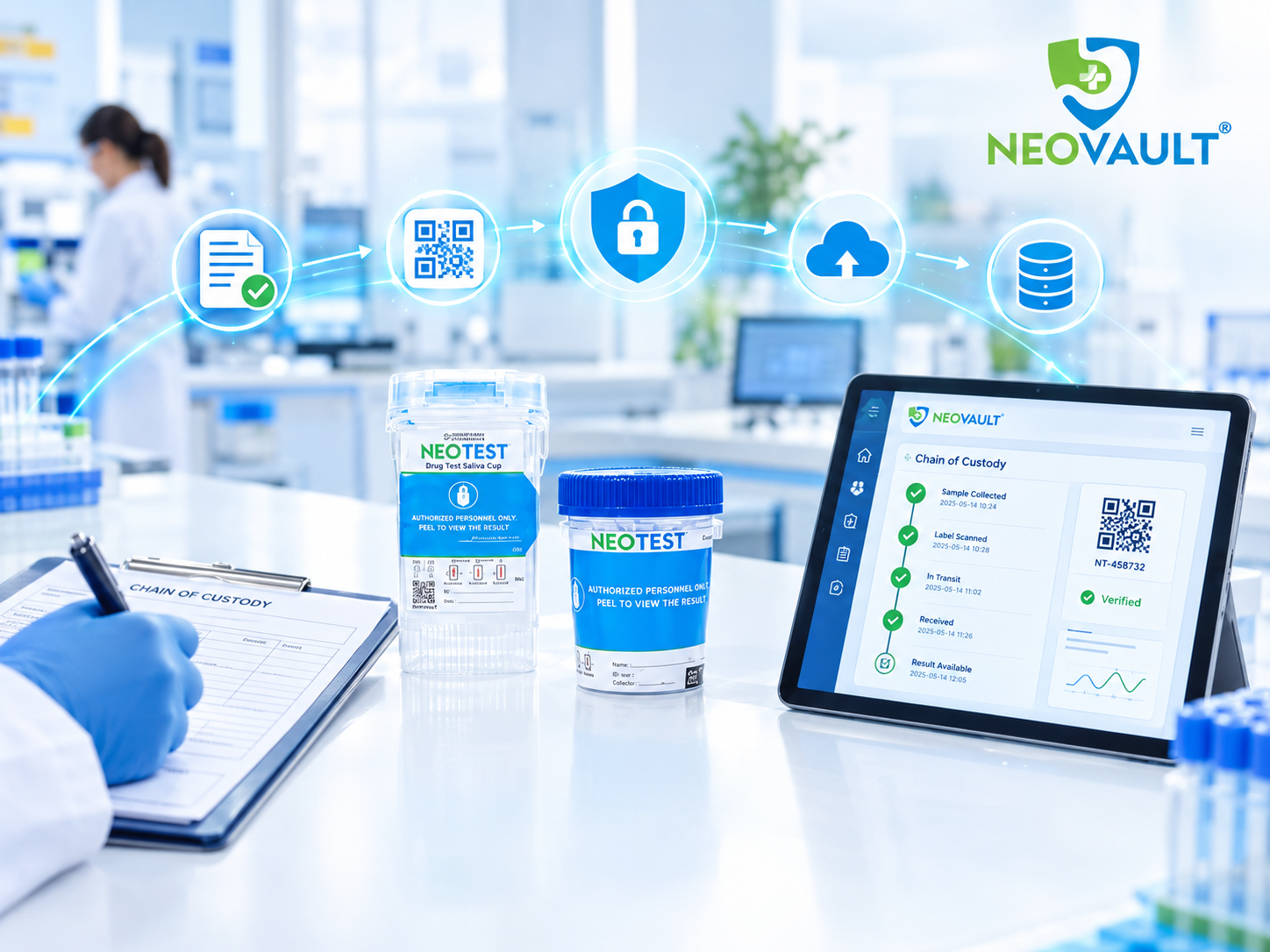
NEOVAULT digital chain of custody replaces paper forms
Missing records during a DOT audit can lead to massive financial penalties. Managing compliance spreadsheets manually is no longer a viable strategy. NEOVAULT provides a centralized dashboard tracking real-time testing activities, helping HR and Safety Managers significantly by:
Yes, the DOT recently updated its rules to permit oral fluid testing. However, employers can only utilize this method if they contract with HHS-certified laboratories capable of processing oral fluids and strictly follow the updated collection protocols to ensure accuracy.
The driver must immediately cease all safety-sensitive functions, including driving commercial vehicles. They cannot legally return to duty until they undergo an evaluation by a Substance Abuse Professional (SAP) and successfully pass a strict, directly observed return-to-duty drug test.
No. The DOT explicitly states that the use of medical marijuana, even if authorized and legalized under state law, is never accepted as a valid medical explanation for a positive drug test result for any safety-sensitive employee under any circumstances.
Meeting the strict dot drug testing requirements is a critical operational measure to protect public safety and prevent devastating workplace accidents. Continuing to manage this highly complex federal mandate with manual spreadsheets and paper forms exposes your transport company to unnecessary compliance risks and severe financial penalties. To stay ahead of federal audits, modern transport businesses must adopt digital solutions. Discover how the NEOVAULT platform can fully digitize your program, eliminate cumbersome paperwork, and keep you audit-ready at all times.